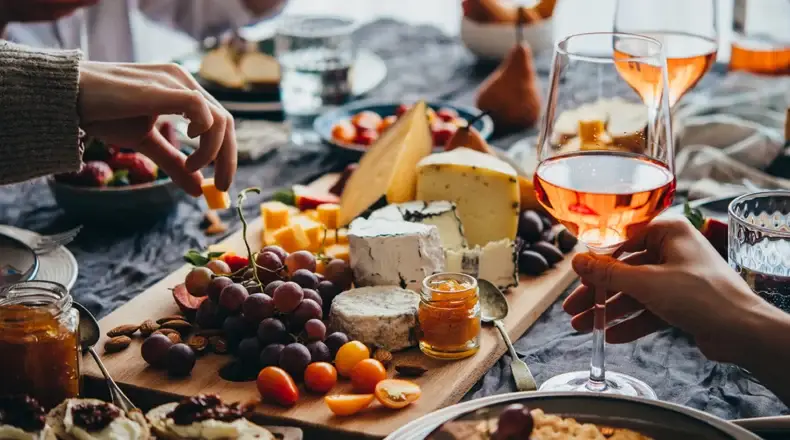
Georgia holds the title of the world’s oldest wine-producing region, with archaeological evidence of winemaking dating back 8,000 years. But here’s an interesting truth: there’s no rigid tradition of formal wine and food pairing in Georgia. As Georgian wine expert Tina Kezeli explains, “we’re permanently in the process of eating and drinking, so everyone is continuously matching for themselves.”
That said, certain combinations have become classics over millennia of shared meals.
Understanding Georgian Wine Basics 🍇
Qvevri Method 🏺 Traditional Georgian wines ferment in large clay vessels called qvevri, buried underground. White grapes ferment with their skins, seeds, and stems for months—creating “amber wines” (also called orange wines) with tannins similar to reds but the freshness of whites.
Key Characteristics ✨ Georgian wines tend to have high acidity, making them versatile with fish, poultry, vegetables, and rich dishes. The acidity acts like a squeeze of lemon, brightening flavors.
Grape Varieties 🌿 Georgia has over 500 indigenous grape varieties. The most common include:
- Rkatsiteli – The workhorse white grape
- Saperavi – The primary red variety
- Mtsvane – Aromatic white
- Kisi – White with honey and quince notes
- Tsolikouri – Western Georgian white, versatile and fruity
- Tsitska – Light, aromatic white from Imereti region
- Krakhuna – Fresh white, often used in sparkling wines
- Khikhvi – Rare white from Kakheti with unique character
- Tavkveri – Produces light reds and rosés
- Alexandrouli – Elegant red from Racha, used in Khvanchkara
- Mujuretuli – Blended with Alexandrouli for semi-sweet wines
- Ojaleshi – Vibrant red from Samegrelo region
- Usakhelouri – Rare, precious red from Lechkhumi
Classic Pairings 🍽️
Khachapuri + Amber Wine 🧀 Georgia’s famous cheese bread pairs naturally with qvevri-aged whites. The wine’s tannins cut through butter and cheese richness.
Mtsvadi (Grilled Meat) + Saperavi 🔥 The country’s signature red has enough acidity and body to match grilled meats and BBQ.
Khinkali + Rkatsiteli or Saperavi 🥟 Georgia’s soup dumplings work with both white and red wines. The broth inside interacts with the wine as you eat.
Pkhali (Vegetable Dishes) + White Wines 🥬 These walnut-based vegetable patés pair well with aromatic whites like Mtsvane or Kisi that echo their herbal notes.
Churchkhela + Semi-Sweet Reds 🍬 Georgia’s traditional “candle candy” (walnuts dipped in grape must) matches semi-sweet wines like Kindzmarauli, as both share concentrated grape flavors.
Badrijani Nigvzit (Eggplant Rolls) + Chinuri 🍆 Walnut-stuffed eggplant rolls pair beautifully with Chinuri’s crisp, herbal character. The wine’s acidity cuts through the walnut paste richness.
Lobio (Bean Stew) + Saperavi 🫘 This hearty red bean stew matches Saperavi’s tannins and acidity. The wine cuts through the dish’s aromatic herbs and spices.
Satsivi (Cold Turkey in Walnut Sauce) + Rkatsiteli 🦃 Traditional holiday dish pairs with high-acid white wines that balance the rich walnut sauce and tender poultry.
Chakapuli (Lamb Stew) + Mtsvane or Light Saperavi 🍖 This spring stew with tarragon and tkemali needs wine with bright acidity. Mtsvane mirrors the herbs, while young Saperavi complements the lamb.
Kuchmachi (Offal Dish) + Full-Bodied Saperavi 🍷 Rich organ meats with pomegranate and walnuts need a powerful red. Aged Saperavi stands up to the intensity.
Shkmeruli (Chicken in Garlic Sauce) + Tsolikouri 🍗 Creamy, garlicky chicken from Racha region pairs with Tsolikouri’s fruity character and medium body.
Ojakhuri (Fried Pork & Potatoes) + Saperavi 🥔 This hearty comfort food needs a robust red. Saperavi’s structure matches the richness while cutting through the fat.
Gebzhalia (Mint Cheese Rolls) + Light Whites 🌿 Delicate Megrelian cheese with mint pairs with subtle wines like Chinuri or Tsitska that won’t overpower the gentle flavors.
Kupati (Spicy Sausages) + Alexandrouli-Mujuretuli Blend 🌶️ Semi-sweet Khvanchkara cools the spice from these Georgian sausages while matching their richness.
Ajapsandali (Vegetable Stew) + Mtsvane or Amber Wine 🍅 This eggplant and tomato stew pairs with aromatic whites. Amber wine adds complexity that matches the stewed vegetables.
What Makes Georgian Pairings Different ⭐
High Acidity Rules 🍋 Most Georgian wines have bright acidity that works like acid in cooking—it cleanses your palate and makes food taste better. This is why Georgian whites pair well with salty dishes, eggs, and cheeses.
Amber Wines Bridge Categories 🌅 Skin-contact whites can handle both delicate and rich foods. They’re tannic enough for meat dishes but fresh enough for vegetables and fish.
Regional Variations 🗺️ Different regions produce distinct wines:
- Kakheti: Traditional qvevri wines, both amber and classic whites
- Imereti: Lighter, crisper whites
- Racha: Semi-sweet wines, both red and white
Practical Pairing Principles 💡
Match Intensity ⚖️ Rich, heavy dishes need fuller-bodied wines. Light dishes work better with crisp, fresh wines.
Consider the Sauce 🥄 Georgian cuisine uses many walnut-based sauces. Wines with good structure and acidity cut through these rich preparations.
Temperature Matters 🌡️ In hot weather, Georgians sometimes serve red wine slightly chilled (around 15-16°C), which makes high-acid, tannic wines like Saperavi more refreshing and food-friendly.
Don’t Overthink It 😊 Georgian wine culture is about hospitality and enjoyment, not rules. Experimentation is encouraged.
The Supra Context 🎉
At traditional Georgian feasts (supras), white wine—especially Rkatsiteli—is most common, though this varies by region and occasion. Homemade wine is typical, brought out from the host’s cellar throughout the multi-hour celebration.
The focus is on continuous eating and drinking over many toasts, so drinkability matters more than specific pairings.
Modern Georgian Pairing Ideas 🎯
Salty Dishes + Dry Whites 🧂 The acidity in wines like Rkatsiteli brightens salty preparations.
Bean Stews (Lobio) + Saperavi 🫘 The wine’s tannins work with protein-rich beans while cutting through aromatic herbs.
Pickled Vegetables + Crisp Whites 🥒 Traditional Georgian pickles (jonjoli, pickled cabbage) match mineral-driven whites.
Strong Cheeses + Semi-Sweet Reds 🧀 Wines like Khvanchkara can balance the intensity of aged or blue cheeses.
Key Takeaway 🔑
Georgian wine pairing isn’t about following strict rules—it’s about understanding that these wines evolved alongside this cuisine over thousands of years. The high acidity, diverse grape varieties, and unique qvevri method create wines that are naturally food-friendly.
Start with the classics (Saperavi with grilled meat, amber wine with khachapuri, Rkatsiteli with everything), then experiment freely. The 8,000-year-old tradition gives you permission to discover your own perfect matches.
Georgian wine’s versatility comes from its ancient roots—wines made to accompany long communal meals where food and drink flow continuously, not in isolated courses. This philosophy makes Georgian wines some of the most naturally food-friendly in the world.